


Discrimination doesn’t operate in one place. It runs through the systems that organise daily life — the institutions and processes that are supposed to help everyone, but don’t reach everyone equally.
UNDETERRED investigates four key sectors where unintentional discrimination shapes the opportunities — and limits the futures — of young adults from immigrant backgrounds and national minorities
Housing
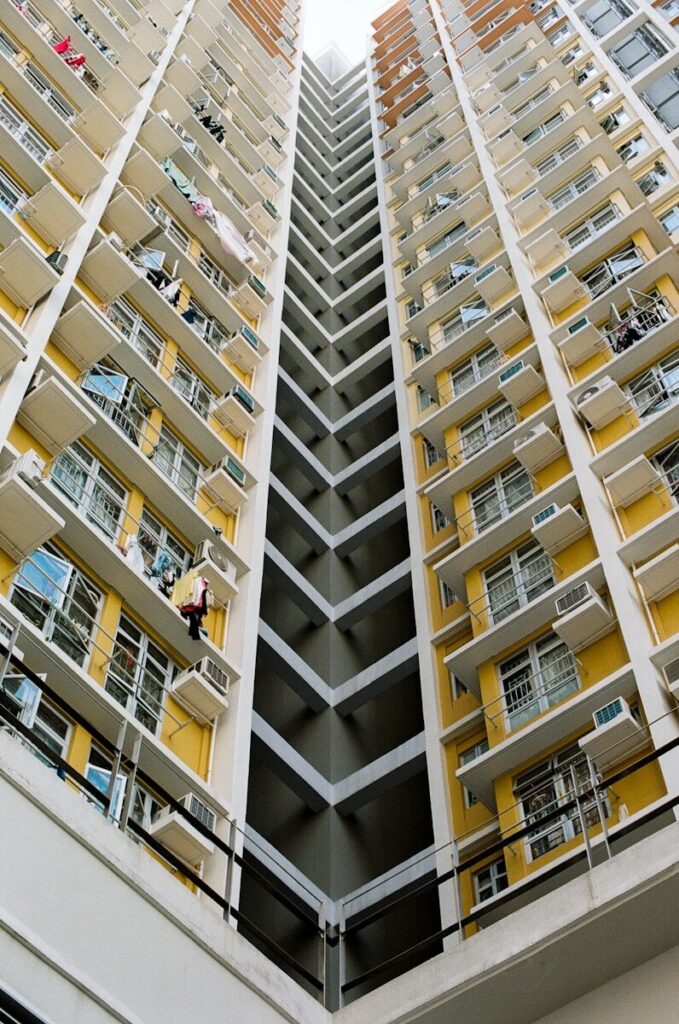
A home is not just a roof. It’s a foundation for everything else. Yet for many young adults, the path to stable housing is blocked long before it begins.
The rules are rarely openly discriminatory. But the guarantor requirements, the selection criteria, the implicit expectations embedded in application processes — these create invisible filters. Young people from immigrant backgrounds are disproportionately excluded, not because of who they are officially, but because the system was not designed with them in mind.
UNDETERRED examines these institutional mechanisms in social housing services and the private rental market across the four cities, to understand where the rules create barriers — and how those barriers can be redesigned.
Employment
A degree. A CV. A cover letter. And still, a door that doesn’t open.
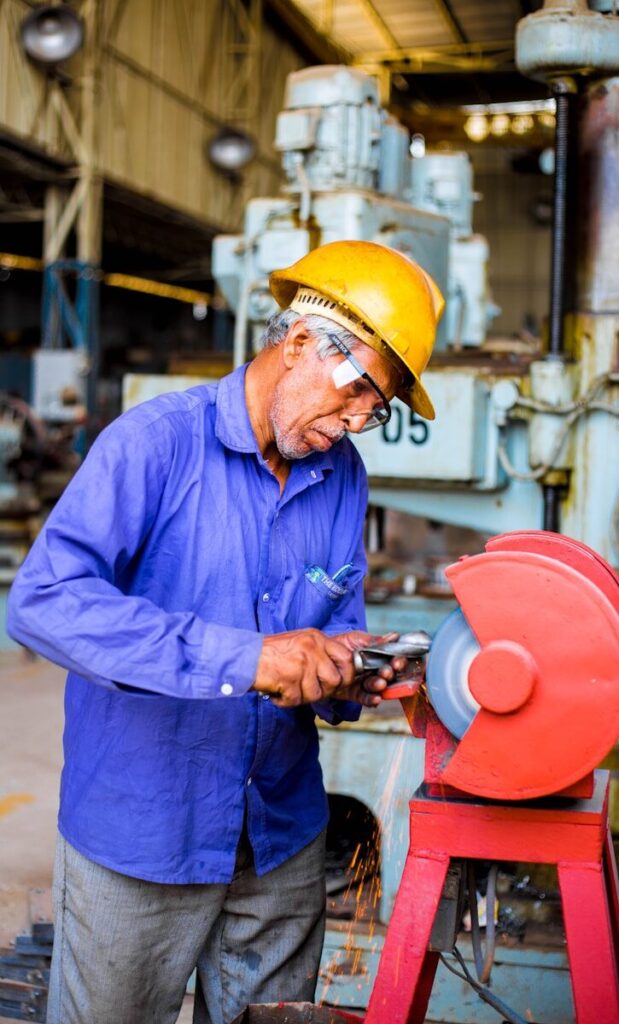
In the labour market, unintentional discrimination often hides in plain sight: in the “standard” recruitment process, in the criteria for advancement, in the unwritten expectations of workplace culture. Names, postcodes, and backgrounds become proxies — never stated, rarely acknowledged.
UNDETERRED works directly with businesses and HR managers to detect, name, and dismantle the practices that silently filter out talent — not out of malice, but out of habit.
Health
Healthcare should be universal. In practice, access is unequal.
Language barriers, unfamiliarity with administrative procedures, lack of information about entitlements — these are not individual failures. They are systemic gaps that accumulate into patterns of exclusion. For young people navigating a healthcare system not designed for them, the consequences can be serious.
UNDETERRED maps these disparities across the four cities, drawing on the experiences of patients, healthcare workers, and institutional actors, to understand where the system fails — and what a more equitable design would look like.


Education
Education is presented as the great equaliser. But access to that equaliser is itself unequal.
From university admission processes to campus life, young people from minority or immigrant backgrounds encounter obstacles their peers rarely notice: administrative hurdles, implicit cultural norms, gaps in institutional support. These are not always visible — but their effects compound over time.
UNDETERRED investigates these dynamics in universities across Bordeaux, Barcelona, Bucharest and Lausanne — because understanding how inequality is reproduced in higher education is a precondition for transforming it.
The cumulative effect
These four sectors are not isolated. They are deeply interconnected.
Difficulties in accessing education lead to difficulties in accessing employment. Employment precarity makes it harder to find stable housing. Housing instability has direct consequences on health. And poor health closes doors in education and at work.
UNDETERRED takes this cumulative dimension seriously — because systemic discrimination is not a series of individual incidents, but a chain that must be understood as a whole in order to be broken.